From the Forests: Monitoring Pests and Pathogens Threatening Regeneration
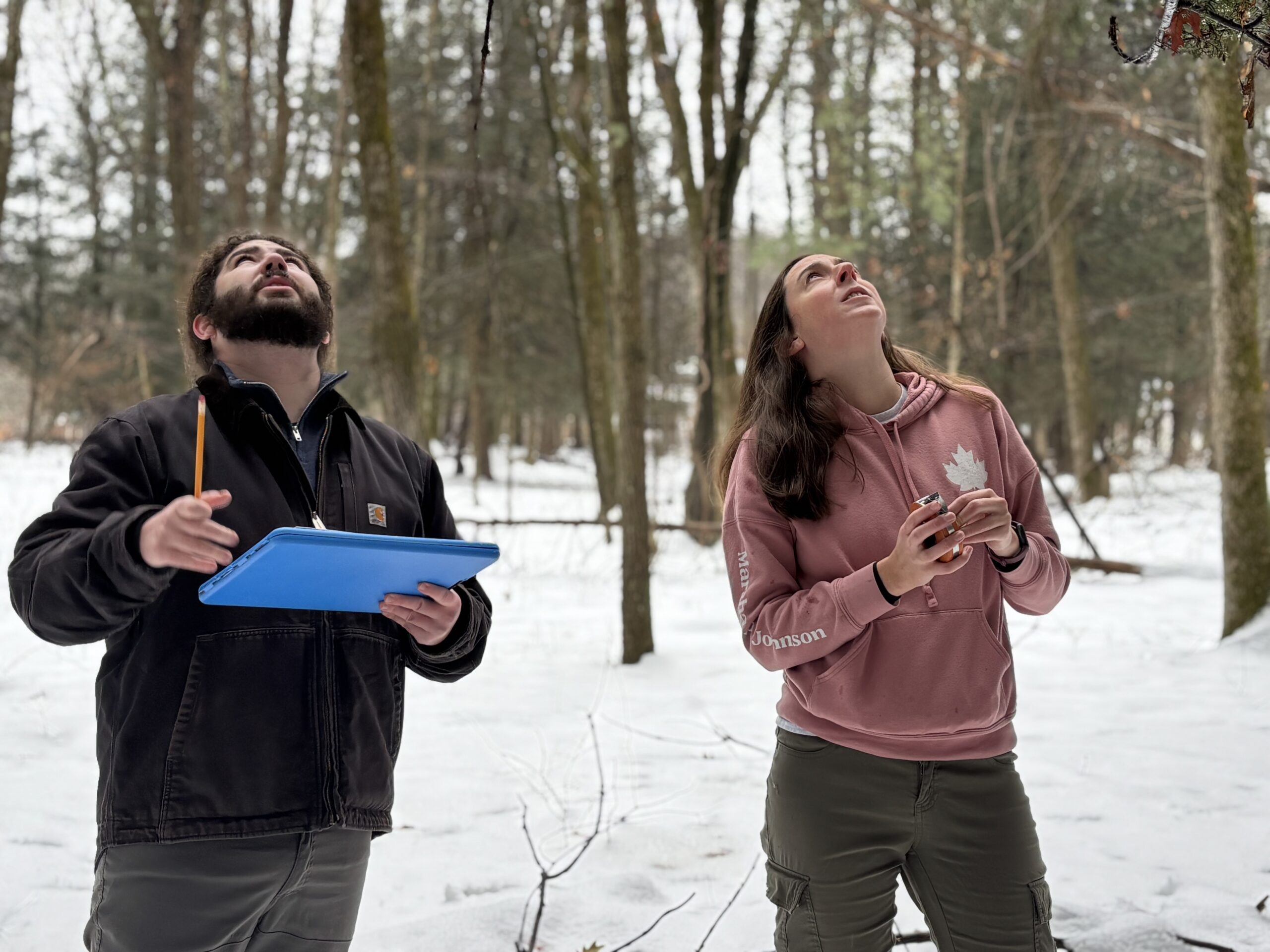
In our region, forests face growing pressure from pests and pathogens that threaten tree health and influence the diversity and regeneration of our woodlands. Through dedicated monitoring projects, Winnakee and partner organizations are tracking levels of infestation and identifying trees that exhibit resilience to these threats. The goal is to secure data that informs scientific studies and help us manage forests in ways that can prevent species decline and protect wildlife populations.
Here are the latest highlights from Winnakee’s stewardship team’s monitoring work.
Lingering Hemlock Project
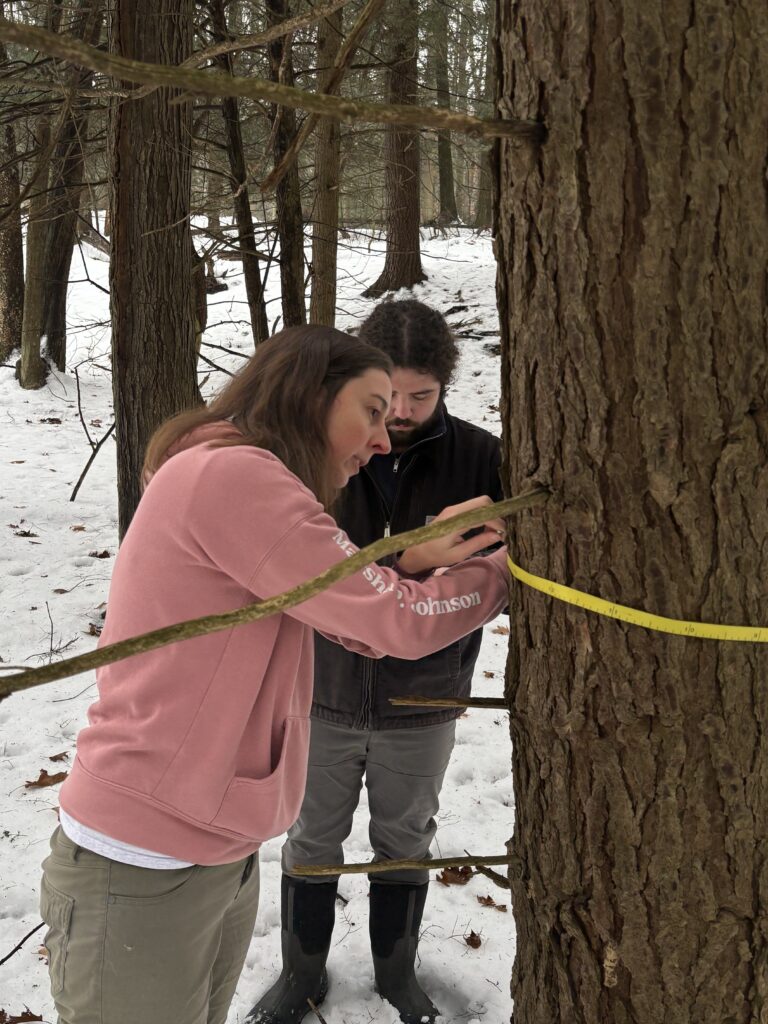
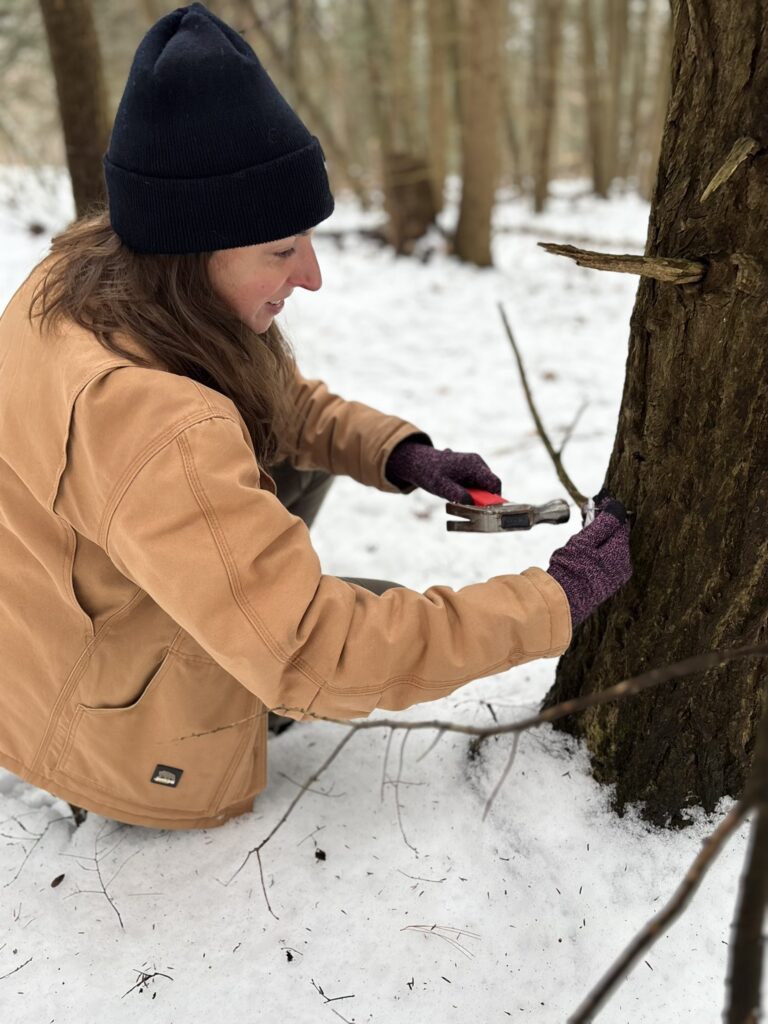
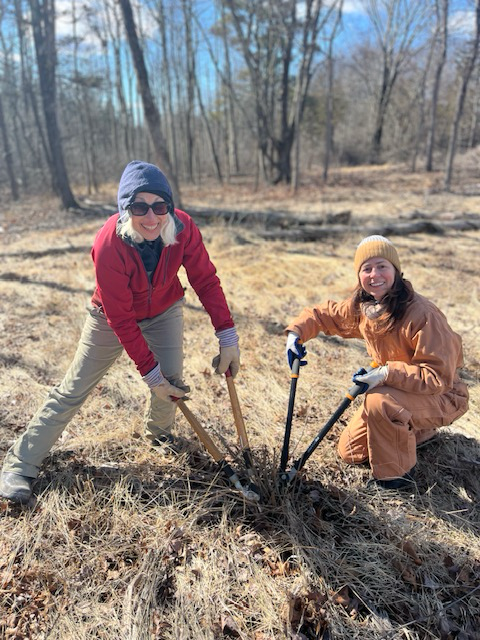
Earlier this January, our stewardship team was gathered data in the fieldas part of The Lingering Hemlock Project, a Cornell Cooperative Extension initiative focused on monitoring for pest resistant hemlock trees.
Hemlocks are a foundation species in our forests, shaping habitat, water quality, and ecosystem health. They are the fourth most common tree species in New York, and invasive pests like the hemlock woolly adelgid (HWA) are increasingly threatening their survival.
Our stewardship team is evaluating the health of hemlock trees on two ecologically important Winnakee properties and tracking their condition over time. The data collected will be used to help researchers understand patterns of hemlock decline across the landscape and identify trees that show greater resilience to damage from HWA.
The end goal is to pinpoint resistant genotypes that can support future breeding of more resilient hemlock trees, helping hemlocks remain a part of our regional forests as well as preserve the ecological functions they provide.
Lingering Ash Project
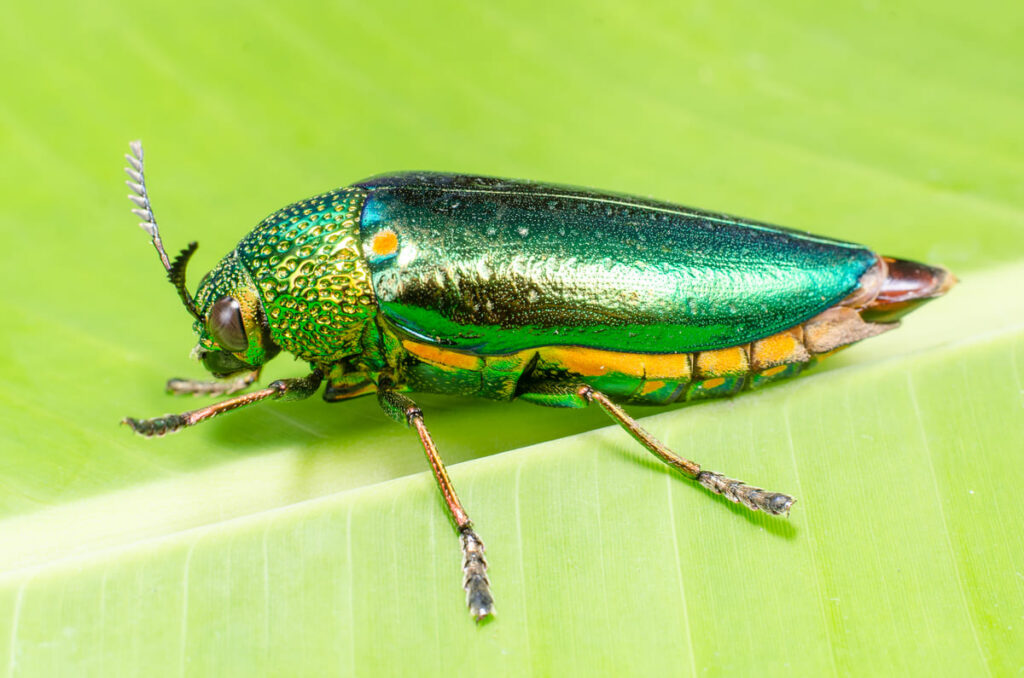
Winnakee has partnered with the Ecological Research Institute (ERI) on the study of ash trees at Winnakee’s Vlei Marsh property. The emerald ash borer is an invasive beetle native to Asia that feeds under the bark ash trees and has caused widespread declines in native ash populations across the U.S. since it was first detected in 2002. ERI gathered scion material from ash trees as part of a long-term restoration study. Scions are young shoots or twigs selected from a desired parent plant, which are then used to propagate genetic traits. The samples at Vlei will contribute to research on genetic diversity and local adaptation in ash trees bred from the scion. The findings will inform breeding programs that could one day improve regeneration prospects for ash in our region.
Beech Leaf Disease
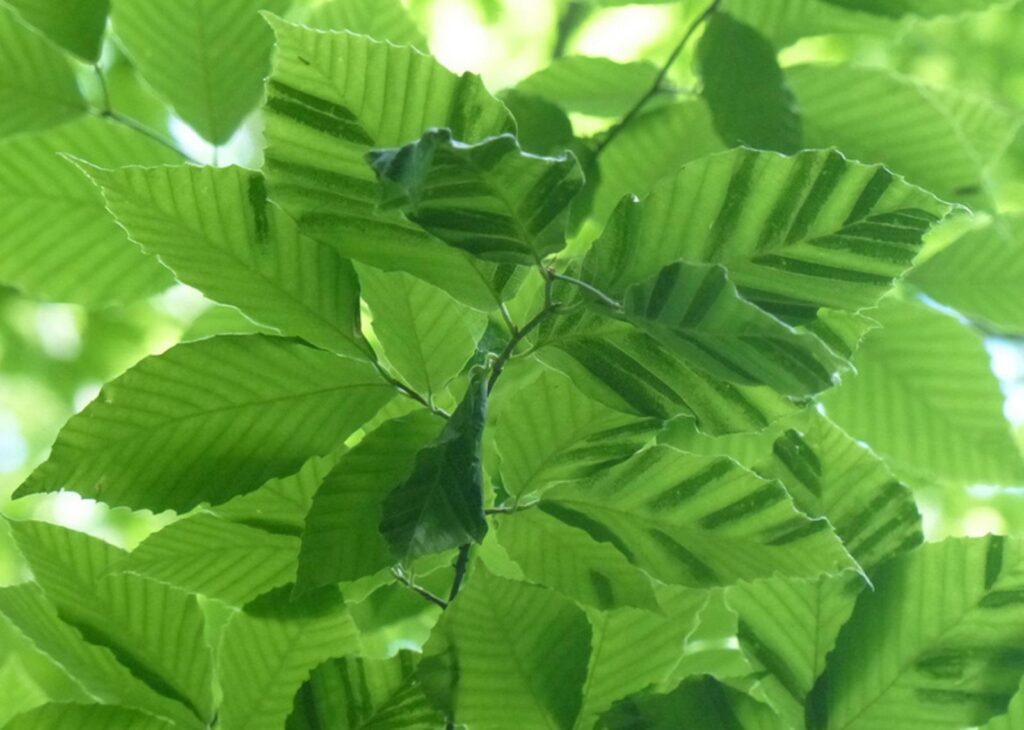
Beech Leaf Disease (BLD) has been spreading in parts of the northeastern U.S. since it was first documented in the region in the mid-2010s. The Hudson Valley, with its extensive beech populations, has reported BLD occurrences in multiple counties with noted increase in recent years. In forests where beeches are a dominant or codominant species, significant loss of beech can create forest gaps, alter forest tree composition and leave open areas vulnerable to invasive species. Winnakee’s team is monitoring levels of BLD on our preserves, so that we can be responsive to declines and act to mitigate, where possible, by protecting residual beech from additional stressors.
Oak Mortality Monitoring
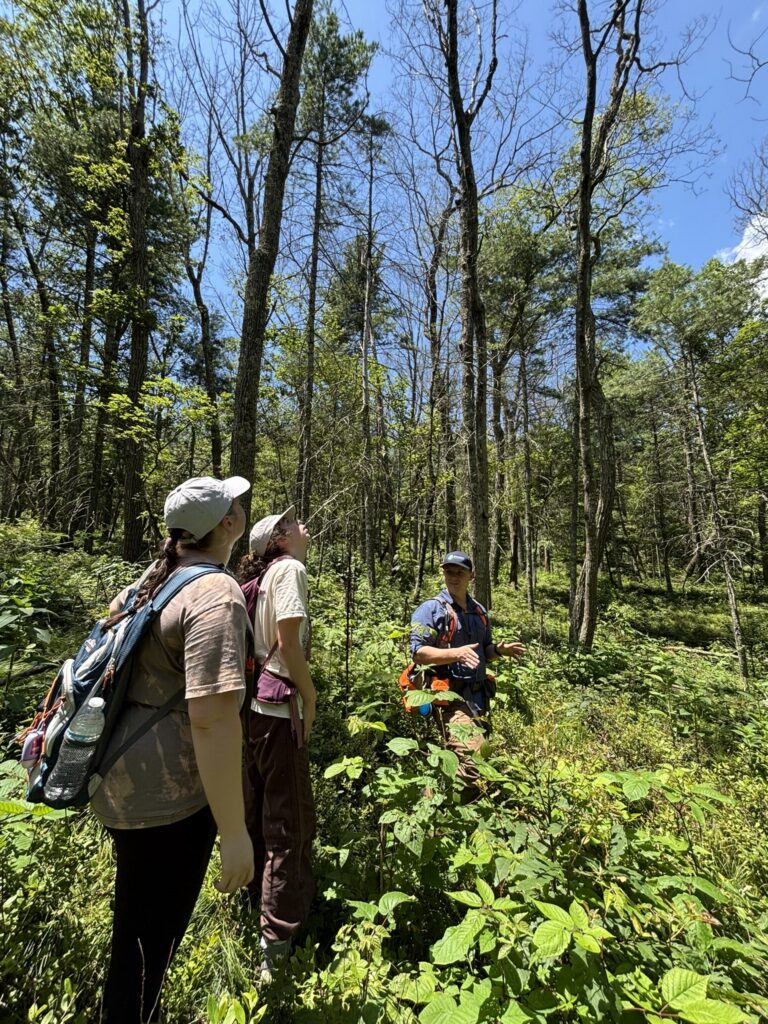
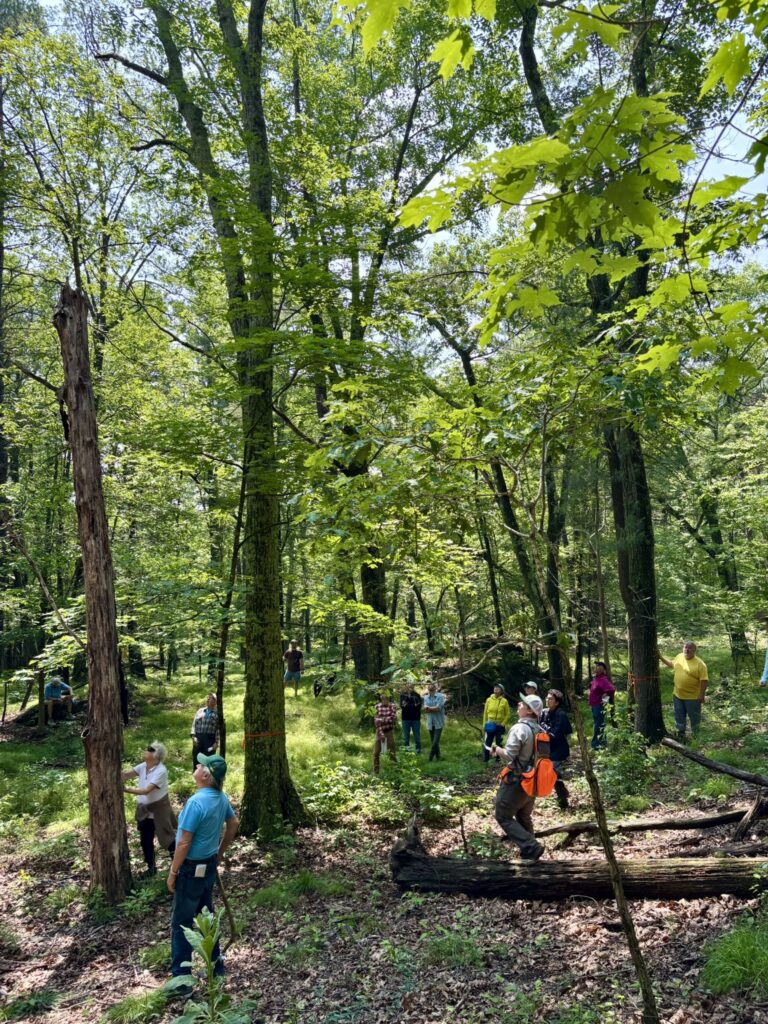
Last summer, Winnakee began a comprehensive oak monitoring effort on our properties in response to significant oak mortality observed across Dutchess County. Evaluations pointed to a substantial die-off driven by repeated defoliation from spongy moth outbreaks and two consecutive years of drought, particularly on upper elevation sites more vulnerable to drought stress. While tree mortality is a natural part of forest dynamics, large scale losses such as this are uncommon and alarming. Losing significant oak population on our properties threatens long term forest health, including risks such as failed natural regeneration, invasive species encroachment, and a potential decline in biodiversity. Winnakee is currently surveying the most at risk areas of our forest holdings. Although we cannot reverse the current die-off, establishing an accurate and actionable baseline will allow us to track future impacts, identify priority areas for intervention, and develop a proactive response strategy.
Conclusions: Regeneration and diversity in our landscapes
All of these recent monitoring efforts reflect the growing need for active forest management at the core of Winnakee’s mission. Applying data driven scientific research is essential to understanding how pests and drought interact with forest dynamics in ways that could irreversibly influence forest regeneration and biodiversity. When foundation species such as oaks and hemlocks decline, the ripple effects touch understory plants, insects, birds, and other wildlife, reducing overall resilience and ecosystem services like watershed protection and carbon sequestration. By tracking pest pressures and identifying resilient or resistant genotypes, we improve the odds that future forests can withstand and recover from outbreaks.
Winnakee’s integrated conservation strategies combine careful fieldwork, rigorous data collection, and thoughtful restoration planning, which have become essential to maintain tree diversity, protect regeneration, and preserve the ecological functions that our forests provide, including watershed protection, habitat, and climate resilience.
Together, We’re Making a Difference
If you would like to support projects like these for our local forests, please consider a gift to our Spring Stewardship appeal here.
OTHER WAYS TO GET INVOLVED

If you’re interested in learning more about what conservation options may be a good fit for your situation but don’t know where to start, reach out to Todd Waldron, Senior Program Director at thwaldron@winnakee.org.